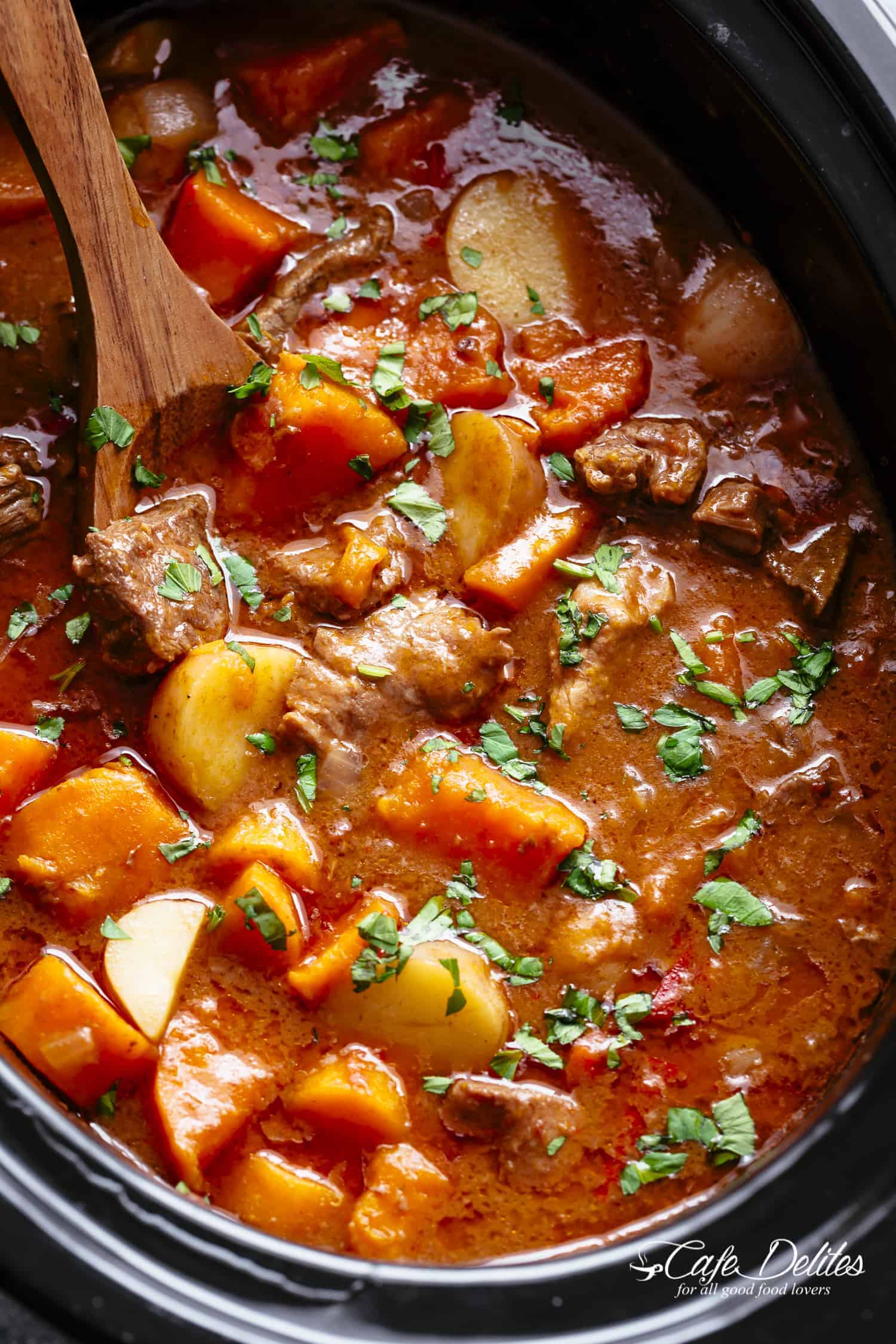
Unlocking the Magic of the Perfect Slow Cooker Beef Sweet Potato Stew
Imagine this: you walk through the door after a long, demanding day, and the air is filled with the warm, inviting aroma of a hearty meal, cooked to perfection without you lifting a finger. This isn't a fantasy; it's the everyday reality when you master the secrets of Easy Slow Cooker Beef & Sweet Potato Stew for Cozy Dinners. This dish isn't just food; it's a comforting hug in a bowl, a soulful symphony of tender beef, naturally sweet potatoes, and a blend of warming spices that melt away the day's stresses.
For many, the idea of a truly rich and flavorful stew from a slow cooker might conjure images of watery, lackluster results. But fear not! This article isn't just about throwing ingredients into a pot; it's about a refined technique that elevates your slow cooker beef sweet potato stew from merely good to absolutely unforgettable. We'll delve into the nuances that create that desirable deep, savory depth and perfectly tender beef that practically dissolves in your mouth, leaving you wondering how you ever lived without it.
Why Your Slow Cooker is Your Secret Weapon for Stew Perfection
The slow cooker isn't just a convenience appliance; it's a culinary transformer. Its ability to cook "low and slow" is precisely what makes it ideal for developing complex flavors and tenderizing tougher cuts of meat. As beef simmers gently over hours, collagen breaks down into gelatin, resulting in that coveted melt-in-your-mouth texture. This prolonged cooking time also allows all the ingredients – from the savory beef and aromatic vegetables to the earthy herbs and tangy sauces – to mingle and meld, creating a flavor profile far richer and deeper than what can be achieved with quick stovetop methods. It's truly the best way to ensure every spoonful of your slow cooker beef sweet potato stew is packed with comforting goodness.
The Core Components: Ingredients for Success
The foundation of any great slow cooker beef sweet potato stew lies in its ingredients. Choosing quality components and understanding their roles is paramount to achieving that rich, hearty, and satisfying result. Here’s a detailed look at the essentials:
- Beef Chuck: This is your star. Opt for a well-marbled chuck roast or stew beef. The marbling (intramuscular fat) is key, as it renders during the slow cooking process, keeping the meat moist and immensely flavorful. Cut it into uniform 1.5 to 2-inch cubes for even cooking.
- Sweet Potatoes: Not just any sweet potato will do. Select firm, medium-sized sweet potatoes that are free of blemishes. Their natural sweetness is crucial, balancing the savory notes of the beef and other vegetables. Cut them into larger chunks (about 1.5 inches) to prevent them from becoming mushy during the long cook time.
- Onion & Carrots: These aromatics form the backbone of your stew's flavor. A medium yellow onion, roughly chopped, provides a savory depth. Carrots add a subtle sweetness and a vibrant color, contributing to the stew's visual appeal and nutritional value.
- Garlic Cloves: Freshly minced garlic is non-negotiable. Its warm, pungent aroma and flavor are essential to the stew's overall profile. Don't be shy; a few extra cloves won't hurt!
- Beef Broth: Choose a high-quality, low-sodium beef broth. This allows you to control the salt content while ensuring a robust beefy flavor. Homemade beef stock is even better if you have it.
- Tomato Paste: A small but mighty ingredient, tomato paste enhances umami and adds a subtle tang. For maximum flavor, we'll discuss blooming it later in the cooking process.
- Worcestershire Sauce: This fermented condiment is a secret weapon for depth. It offers a complex blend of savory, sweet, and tangy notes that perfectly complement beef. A dash goes a long way.
- Dried Thyme & Bay Leaves: These classic stew herbs provide an earthy, herbaceous aroma. Thyme complements the beef beautifully, while bay leaves infuse a gentle, lingering herbal note. Remember to remove the bay leaves before serving.
- Salt & Pepper: Seasoning is vital. While we add some at the beginning, the final adjustment after cooking is where you truly perfect the balance of flavors.
Optional Garnishes & Flavor Boosters
- Fresh Parsley: A sprinkle of fresh chopped parsley before serving adds a pop of vibrant color and a fresh, herbaceous brightness that lifts the entire dish.
- Red Pepper Flakes: For those who enjoy a little warmth, a pinch of red pepper flakes adds a subtle kick to your slow cooker beef sweet potato stew.
- Balsamic Vinegar: As hinted in our references, a splash of balsamic vinegar (added towards the end or even during the sauce whisking) can introduce a bright, acidic complexity that cuts through the richness and elevates the overall flavor profile.
- Red Wine: For an even deeper, more sophisticated flavor, consider adding a splash (about half a cup) of dry red wine, like a Merlot or Cabernet Sauvignon, to the searing pan after the beef, letting it reduce slightly before adding the other liquids.
Mastering the Technique: Steps to Tender Perfection
Achieving a truly outstanding slow cooker beef sweet potato stew requires more than just tossing ingredients together. It's about a few key techniques that prevent watery stew and maximize flavor. This is where your slow cooker truly shines, transforming simple ingredients into a gourmet experience.
- The Crucial Sear: Build Flavor from the Start
This is arguably the most critical step and often overlooked for slow cooker recipes. In a heavy-bottomed skillet (like a Lodge Cast Iron Skillet, as mentioned in the reference), heat a drizzle of high-smoke-point oil (like canola or grapeseed) over medium-high heat until shimmering. Brown your beef cubes in batches, ensuring they are not overcrowded. You want a deep golden-brown crust on all sides, about 2-3 minutes per batch. This Maillard reaction creates incredible depth of flavor and color that cannot be replicated by simply boiling the meat. Transfer the seared beef to your slow cooker. Pro tip: After searing the beef, add the tomato paste to the hot skillet and stir constantly for 1-2 minutes, allowing it to "bloom" and intensify its flavor before deglazing the pan with a bit of broth or red wine. This step is a game-changer for a rich, non-watery stew. For more on avoiding watery results, check out our guide: No More Watery Stew: Rich Slow Cooker Beef & Sweet Potato Recipe.
- Layering the Vegetables: Foundation for Heartiness
Once the seared beef is in the slow cooker, add the sweet potato chunks, carrots, chopped onion, and minced garlic directly over the beef. The combination of vibrant colors promises a hearty, comforting texture in every spoonful. Ensure the vegetables are cut into relatively uniform sizes to ensure even cooking.
- Whisking the Sauce: The Heart of the Stew
In a separate bowl, whisk together the beef broth, Worcestershire sauce, dried thyme, bay leaves, salt, and pepper until well combined. If you bloomed the tomato paste, incorporate it here. This ensures all the liquids and seasonings are evenly distributed throughout the stew, creating a consistently flavorful sauce. Pour this mixture evenly over the beef and vegetables in the slow cooker.
- Gentle Stirring & Setting the Cooker: Let the Magic Happen
Using a wooden spoon, gently stir the ingredients in the slow cooker to ensure everything is coated and submerged in the liquid. Avoid vigorous stirring, especially with the sweet potatoes, to prevent them from breaking down too early. Cover the slow cooker with its lid and cook on low for 6-8 hours or on high for 3-4 hours. The goal is fork-tender beef and vegetables that are soft but still hold their shape.
- The Final Touches: Seasoning and Serving
Once cooking is complete, carefully remove the bay leaves. Taste the slow cooker beef sweet potato stew and adjust the seasoning with additional salt and pepper as needed. This is your chance to perfect the flavor profile. For an extra touch of brightness, stir in a splash of balsamic vinegar at this stage. Ladle the hot stew into bowls and garnish with fresh chopped parsley or a pinch of red pepper flakes for an optional kick.
Beyond the Basics: Elevating Your Stew Experience
While the core recipe for slow cooker beef sweet potato stew is fantastic on its own, a few extra considerations can truly elevate your dining experience:
- Uniform Cuts: As mentioned, ensuring your beef and vegetables are cut into similar sizes promotes even cooking. This prevents some pieces from being overcooked while others are still firm.
- Don't Peek! Resist the urge to lift the lid of your slow cooker frequently. Each time you do, you release accumulated heat and steam, significantly extending the cooking time.
- Rest for Flavor: If time allows, let the stew rest for 10-15 minutes after cooking is complete, with the lid on, before serving. This allows the flavors to settle and intensify.
- Serving Suggestions: This hearty stew is a meal in itself, but it pairs wonderfully with crusty bread for dipping, a side of fluffy couscous, or a simple green salad to cut through the richness.
- Meal Prep Powerhouse: Slow cooker beef sweet potato stew is an excellent candidate for meal prepping. It reheats beautifully and often tastes even better the next day as the flavors continue to meld. Store individual portions in airtight containers in the refrigerator for up to 3-4 days, or freeze for up to 3 months.
Conclusion: Your New Go-To Comfort Meal
Mastering the perfect slow cooker beef sweet potato stew is a culinary journey that rewards you with incredible flavor, tender meat, and minimal effort. By understanding the role of each ingredient and embracing key techniques like searing the beef and blooming the tomato paste, you can transform a simple recipe into a deeply satisfying, soul-warming meal that will become a cherished favorite. So, go ahead, gather your ingredients, set your slow cooker, and prepare to indulge in the rich, comforting goodness of a truly exceptional stew that promises to deliver big on flavor and coziness every single time.
